









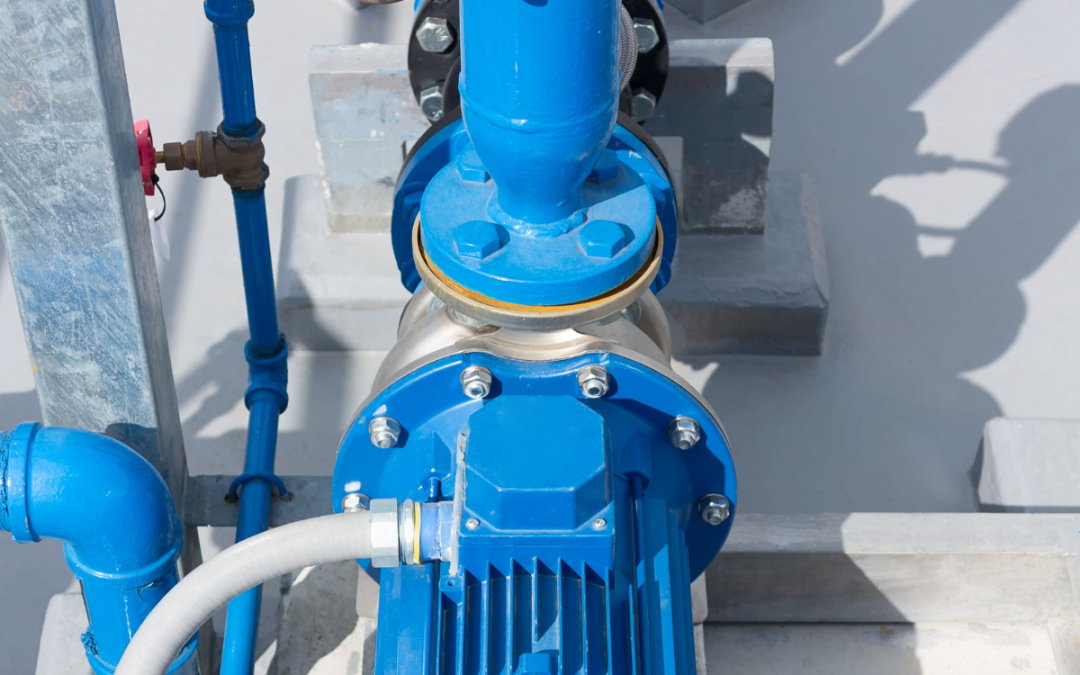
When pumps operate under higher loads, higher pressures, or more demanding duty cycles, shafting moves from “standard component” to “critical reliability driver.” Small issues—like shaft runout, inconsistent bearing fits, or geometry that drifts over a production run—can show up as vibration, premature seal wear, and shortened bearing life. That’s why many pump OEMs and repair shops in Houston, TX step up to shaft-quality materials designed for rotating equipment. For applications where strength and toughness matter, 4140 alloy steel is a proven choice—and in Pump Shaft Quality (PSQ) bar form, it helps manufacturers start with the dimensional control they need.
Why 4140 Alloy Steel Is Used for Heavy-Duty Shafting
4140 (chrome-moly) is widely used in rotating equipment because it delivers a strong mix of strength, toughness, and fatigue resistance. That combination is especially valuable for shafts that see torsional loading, frequent start/stop cycles, or shock loads from real-world operating conditions. 4140 is also commonly paired with heat treatment strategies to meet specific property targets—giving designers flexibility to tune performance for demanding applications while maintaining practical machinability.
Commodity + Grade + Shape: 4140 PSQ Bar (Turned, Ground & Polished)
PSQ isn’t just a label—it’s a processing approach focused on the characteristics that rotating equipment depends on: consistent diameter, straightness, and controlled surface condition. In many cases, PSQ bar is supplied as turned, ground, and polished (TGP), helping reduce variability that can drive runout issues and uneven fits at bearings and seals. Starting with shaft-quality bar can also reduce corrective machining—allowing shops to focus on journals, threads, keyways, and other value-added features rather than chasing geometry problems that originated in the raw material.
Application Focus: High-Load Pump Shafts and Rotating Components
4140 PSQ bar is often specified for pump shafts and sleeves used in heavier-duty industrial service—where loads are higher, duty cycles are longer, and the consequences of vibration or misalignment are more expensive. For pump operators and builders in Houston, TX, that can include demanding process applications, higher-pressure systems, or equipment that experiences frequent cycling. In these scenarios, shaft toughness helps resist damage from shock loading, while shaft-quality geometry supports cleaner assembly and more stable operation over time.
Shop-Floor Gains: More Predictable Machining and Better Yield
From a production standpoint, shaft-quality bar can improve repeatability in setups and inspection. When diameter and straightness are more consistent, machinists can take more predictable cuts, reduce in-process adjustments, and improve first-pass yield—especially on long shafts where runout control is unforgiving. For pump repair and aftermarket work in and around Houston, TX, PSQ material can also help shorten turnaround times by reducing the amount of corrective work needed before a shaft is ready for finishing and assembly.
Source 4140 PSQ Bar from a Pump-Shaft Specialist
Banner P&M Supply focuses on shaft-quality materials for pump and rotating equipment manufacturers, with PSQ processing expertise built around what pump builders actually need: consistent bar performance, dependable availability, and support that helps keep machining and assembly schedules moving. If you’re standardizing shafting for a product line, qualifying an alternate source, or tightening tolerances to reduce vibration and seal issues in the field, 4140 PSQ bar is a strong option to evaluate.
Looking for 4140 alloy steel PSQ bar (shaft quality / TGP) for high-load pump shafts in Houston, TX? Visit www.bannerpmsupply.com to request a quote and ask Banner P&M Supply about sizes, straightness, and delivery options that fit your production or repair schedule.